
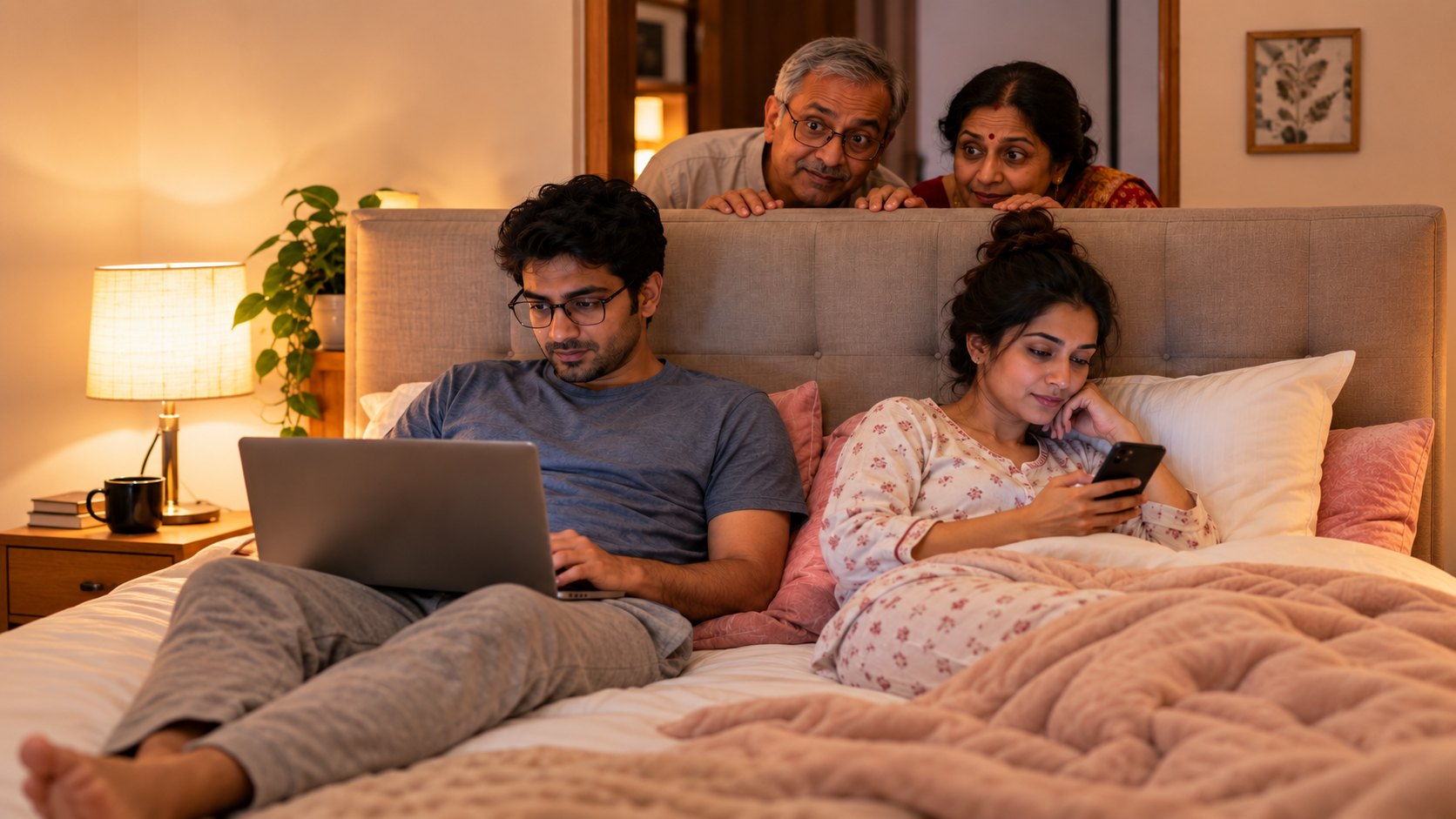
Nobody tells you that successfully raising independent children comes with the unfortunate possibility that they may actually become independent. One day, they are asking for money, permission and advice; the next, they have careers, homes, spouses and perfectly reasonable excuses for not visiting. Of course, this is what we wanted. We spent years telling them to study hard, build a career and make something of themselves. And, to their credit, they listened. Perhaps a little too well. For parents suddenly finding themselves with more free time, fewer visitors and no one asking where they left the house keys, some guidance may be in order.
With all this newfound independence, naturally, a few new habits have appeared as well. Chief among them is a growing devotion to privacy, personal space and "time for themselves." These are concepts we rarely heard about at their age. We had careers, responsibilities, children, spouses and parents under the same roof, and somehow nobody needed to "set boundaries." We simply adjusted.
We even bought houses large enough to accommodate the entire family, and managed it without a single spreadsheet. Today, we are told that buying a house is difficult, that the economy has changed and that property prices are unreasonable. We have read the articles they forward us, some of them twice. We accept that a modest flat now costs what our entire neighbourhood once did. We would only observe that the spare room in their current flat has been converted into a home office, and that a home office, unlike a grandchild, has never once asked to see us. They have also discussed the matter at length with a therapist, who we understand charges by the hour to agree with them. Still, we are told the economy is the problem, so we try to be supportive.
There are, however, certain matters on which we believe parents are entitled to be heard, particularly when it comes to family. If we tell our children that it is time to have children of their own, it is only reasonable that they listen. We are, after all, perfectly happy to help raise the grandchildren. We can feed them, look after them and keep them occupied while their parents attend to their careers and personal lives. The fact that this may also result in our children visiting us more often is a pleasant possibility, although not one we would ever put ahead of their wellbeing.
They may have to make a few adjustments, of course. Perhaps buy fewer clothes, take one less holiday or postpone the annual phone upgrade. These are small sacrifices, and sacrifice is something every parent understands. We made ours without keeping count, and have mentioned them only when relevant. It is difficult to understand why the same principle should not apply when it is their turn to make a few sacrifices for theirs.
We do not claim to know everything. We simply know what is best for our children, which is a much smaller and more manageable area of expertise. This has been understood for generations, and there seems little reason to complicate it now with newer ideas about independence, work-life balance or careers. These things are important, certainly, but they should not be allowed to interfere with a parent's perfectly reasonable expectations for how their child should live.
If our children have become too attached to these modern ideas, a little pressure may be necessary to bring them back to what matters. Our parents told us how to live, as did theirs, and theirs before them. It is a tradition worth preserving. And if all else fails, there is always the occasional reminder that our health is not what it used to be. A responsible child should understand that some things simply cannot wait. We did, after all, raise them to put family first. It would be rather inconvenient if they started applying that principle to everyone except us.


