Srinagar: Local police are reportedly feeling left out after an IAS officer allegedly hurled abuses at a junior female officer, calling her “bl**dy sh*t” in an online meeting and reminding her that he possesses all the authority necessary to talk down to her.
The incident has raised serious concerns among netizens who are calling it an “overlapping behavior” in verbal abuse across government departments. While observers have declined to simply describe it as workplace harassment against women, they are preferring the term “administrative globalization,” under which practices once confined to police stations are now finding opportunities in other government offices.
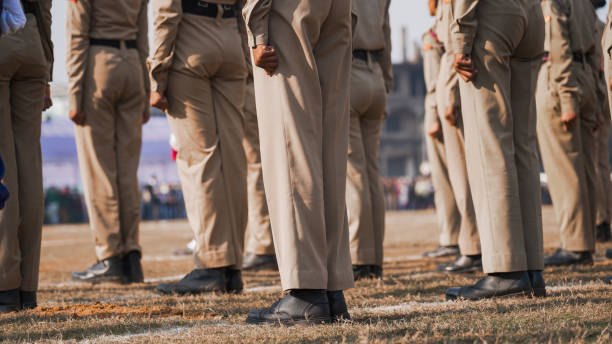
“It is a well-known truth that we have spent decades establishing our reputation,” said a senior police officer "other departments can't just come and use our theatrics". “If bureaucrats start stealing our vocabulary, what exactly are we supposed to do? What credibility do we have then?”
The officer demanded clear departmental boundaries calling it an “utmost failure”, adding that the police could hardly be expected to maintain public confidence if other government officials with a desk and a nameplate started acting like them.
The IAS officer’s alleged assertion that his rank entitled him to speak to a subordinate in any manner he pleased has brought him under scrutiny from another senior officer who called him a "wannabe who wanted his fifteen minutes of fame by copying police" saying that "just because you can hurl abuses like us doesn't mean you are like us".
Meanwhile, men’s rights activists announced plans to protest against the junior officer for speaking out against the abuse.
“She should have remained silent,” one activist told our reporters. “People fail to appreciate the pressures male officers face. They wake up in the cold and rain, make their way in air-conditioned cars, and travel all the way to their offices. Then they are expected to watch their language as well.”
Another activist urged the police to accept that "times are changing! and that “it is particularly situations like these that allow men to freely express themselves. “Abuse and humiliation cannot remain the monopoly of a single department forever,” he said. “Other officers deserve the opportunity to serve the public too.”
For now, the police remain committed to protecting their institutional dignity, professional jurisdiction, and whatever remains of their monopoly on making junior employees feel small.